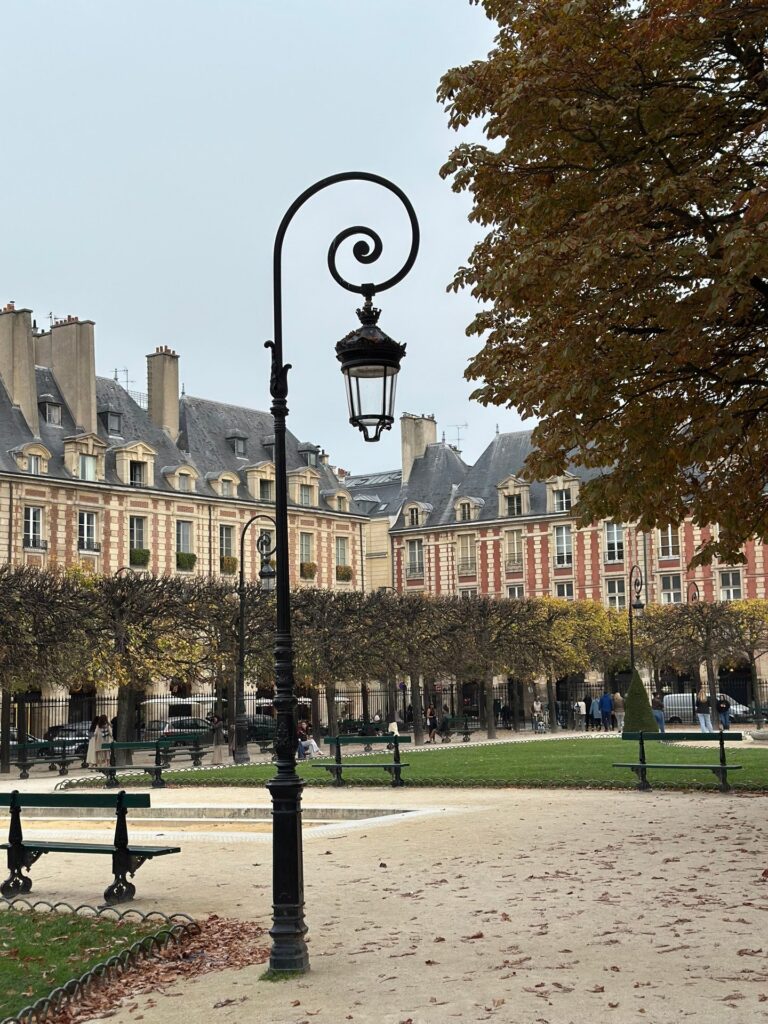
Peak season is popular for a reason: the weather is often at its easiest, school holidays line up, and the whole destination is open for business. It is also when lines are longest, rooms cost the most, and a famous square can feel like a platform you are trying to cross. Shoulder season is the period on either side of that peak—late spring and early autumn in many places—when the destination is still itself, but the crush has usually eased.
It is not a magic door to empty streets, and it is not automatically cheaper or sunnier. It is a trade: you swap some certainty about weather and hours for more room to walk, a better chance at a table, and days that feel like they belong to you. This guide is about how that trade works, and how to plan for it without relying on someone else’s idea of the “best” month.
What shoulder season actually means
Destinations do not share one calendar. A summer beach town, a ski valley, a European capital, and a monsoon-influenced coast all have different peaks. Shoulder season is simply the shoulder of that place’s busy period, not a fixed pair of months you can apply everywhere.
In many temperate city and countryside destinations in the Northern Hemisphere, the shoulders often fall in the spring (after the coldest months, before summer holidays) and in the autumn (after summer holidays, before the depth of winter). In a winter-sports town, midsummer may be the quiet period, and the shoulders sit next to ski season instead. In places with a distinct wet and dry season, the shoulder may be the edge of the dry season, with a different set of tradeoffs.
Think in terms of the destination’s own rhythm:
- When do local and international school holidays fall?
- When is the weather window that most visitors are aiming for?
- Are there festivals, conferences, or a single famous event that create their own peaks?
- When do hotels, ferries, and attractions actually change their schedules?
A week can sit in a “shoulder” month and still be packed if it coincides with a holiday or a major event. Check those dates as carefully as you check the average weather.
The real tradeoffs
Go into shoulder season with the tradeoffs in the open, and you will like it more.
- Crowds. Popular sights are often still busy, especially in the middle of the day, but you can usually find earlier or later hours that feel human. Neighborhoods and lesser-known sites may feel genuinely quiet.
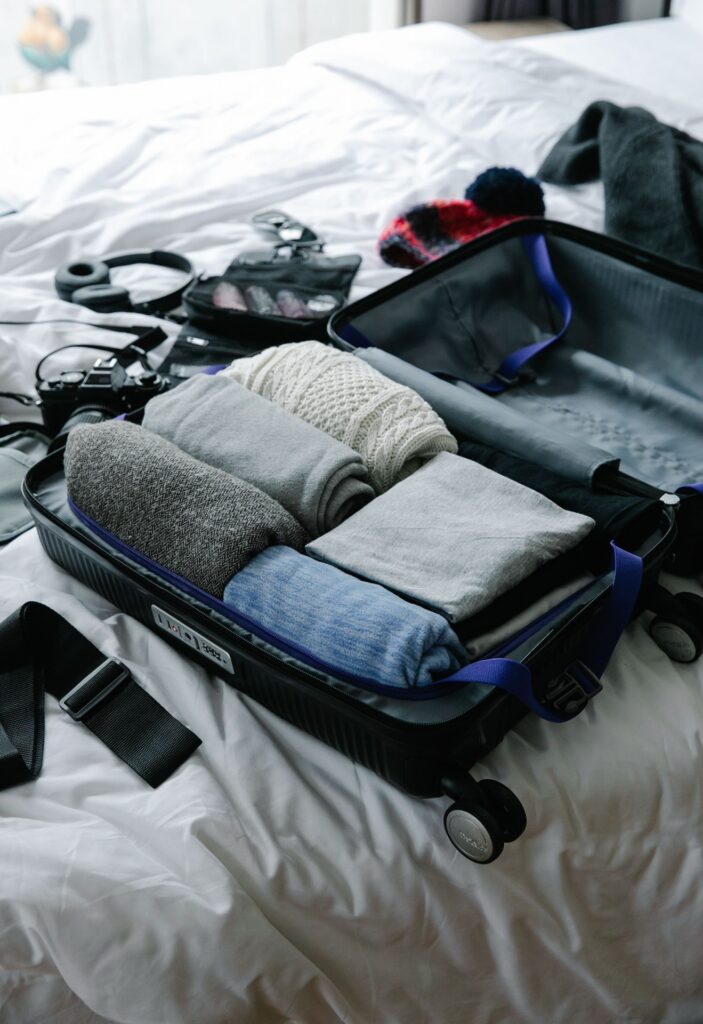
- Weather. You may get beautiful days, and you may get rain, wind, or a colder evening than a midsummer trip would have brought. Pack for a swing, not for a brochure. A layering approach like the one in our carry-on packing list is well suited to this kind of weather.
- Price and availability. Lodging and some fares are often easier than in the absolute peak, but “shoulder” is not a guarantee of a deal. A concert weekend or a school break can reverse that. Compare actual dates, not the month’s reputation.
- Hours and infrastructure. This is the trade people forget. Some ferries, mountain roads, visitor centers, and small-town restaurants reduce their days or close entirely outside the high season. A coastal village that is lively in July can be sleepy on a Tuesday in late October. That can be a pleasure, or a problem, depending on what you wanted.
- Light. In autumn and spring, the light can be softer and the days shorter. Photographers often love this. If you planned long evening hikes, check sunset times.
None of these is a reason to stay home. They are reasons to pack a rain shell, to confirm the ferry timetable for your exact dates, and to keep one indoor plan in your pocket.
How to think about “best time” by type of place
Instead of memorizing a month for every country, match the season to the kind of trip you want.
Cities
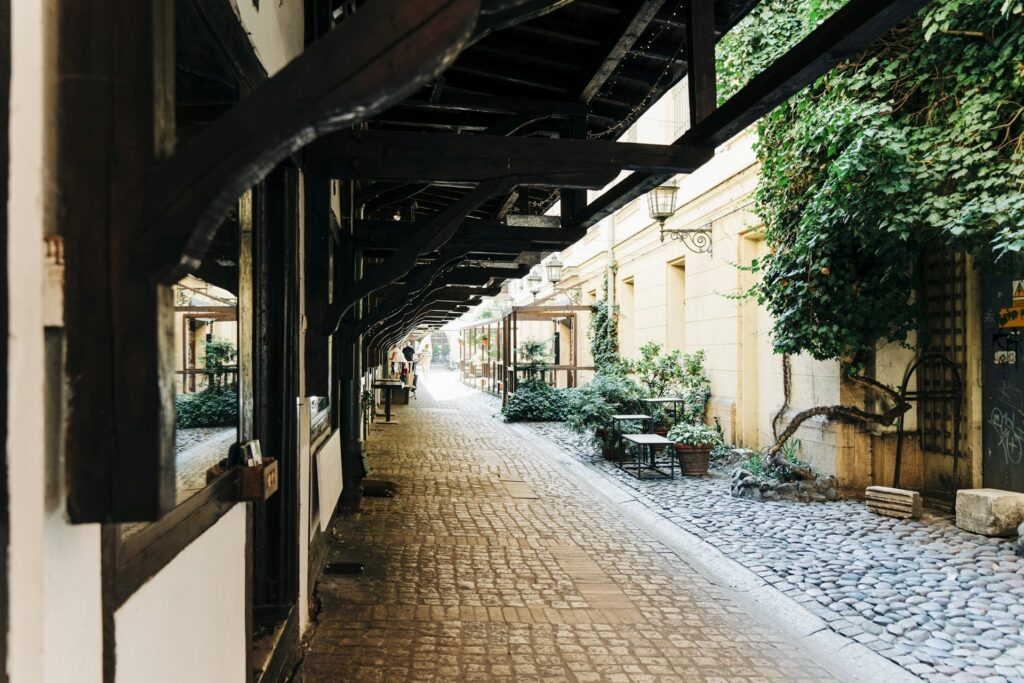
Capitals and large cities are often excellent in the shoulder. Museums, restaurants, and transit usually keep running, gardens and courtyards are still pleasant, and you can walk into more places without a week of planning. You may get rain. You are less likely to find a boarded-up downtown. Spring and autumn in many European cities are classic examples; a first-time itinerary that is already trying not to rush, like the one in our guide to planning a first trip to Europe, fits this window well.
Coasts and islands
Water may be cooler, and some beach services may scale back. The reward can be a waterfront you can actually walk, and lodgings that are still open but not full. Confirm what is operating: boat transfers, seasonal hotels, and restaurants in small ports. If swimming is the point of the trip, look at typical water temperatures and be honest about what you will enjoy.
Mountains and national parks
Shoulder season can be spectacular and also more serious: snow can linger on trails in spring, and autumn storms can arrive early. Some park roads, shuttles, and lodges close on set dates, which are not always intuitive. If a trip depends on a particular road, campground, or crossing, check the official current season dates, not a photo from mid-July.
Places with a strong festival or pilgrimage calendar
A “quiet month” on a climate chart can be the busiest week of the year if it includes a famous festival, a marathon, or a religious holiday. Search the local event calendar before you congratulate yourself on booking the shoulder.
A planning checklist for shoulder dates
- List what the trip depends on (a hike, a swim, a ferry, a garden in bloom, a restaurant in a small town). Those are the things to verify.
- Check official hours and seasonal closures for those anchors, as close to your dates as possible, and again before you go.
- Look at typical temperature ranges and rainfall patterns from a national weather service or other official climate summary, not from a single influencer’s “perfect week.” Typical is not a promise; it is a packing and pacing clue.
- Scan holidays and major events in the destination and in the places your fellow visitors might be traveling from.
- Book the lodgings and transport that truly have limited service, and leave more of the days flexible than you would in peak season. If a museum is quiet, you may not need a Tuesday 9:00 a.m. ticket. If a mountain road is still closed, you will want room to change plans.
- Pack for both ends of the day: a warm layer, a rain shell, shoes you can get wet, and at least one indoor pleasure (a long lunch, a museum, a spa, a bookstore) that does not depend on the sky.
How to enjoy a popular place when it is still popular
Shoulder season reduces crowds; it does not erase them at the most famous sites. The usual techniques still help:
- Arrive at opening time, or late in the last entry window, rather than at mid-day
- Spend the middle of the day in a neighborhood, a park, or a long meal, and the early or late hours at the headline sight
- Visit the famous place once, then give the rest of your time to a smaller town, a local museum, or a walk with no ticket
- If a sight is a disappointment in the crowd, leave. The point of traveling in the shoulder is having the freedom to do that
A quieter month is a poor excuse to over-schedule. The gift is unhurried time, not a chance to add two more cities because the lines might be shorter.
FAQ
Is shoulder season always cheaper?
No. It is often less expensive than the absolute peak, but holidays, events, and popular weekends can be priced like high season. Look at your specific dates.
Will attractions be closed?
Some will, especially in small or highly seasonal places. Cities usually keep the core museums and transit running. Verify the particular things your trip depends on.
Is spring or autumn better?
It depends on the place. Spring can mean bloom, mud, and lingering closures. Autumn can mean harvest, earlier sunsets, and the first real cold or rain. Choose based on the activity you care about, not a general preference for one season.
Can I still swim, hike, or sit outdoors?
Often yes, with a more flexible definition of a good day. Bring the extra layer, start earlier if the daylight is short, and have a plan for weather that would make the main activity unpleasant. That backup plan is what makes shoulder season relaxing instead of tense.