The first night in a new city has a gravity of its own. You are tired, you are hungry, and the restaurants facing the main square are right there, with menus in four languages and someone inviting you in. Sometimes those places are fine. Often they are designed for people who will not come back, which is a different incentive than a place that relies on regulars.
You do not need insider friends or a perfect app to eat well. You need a short method: walk a little farther than the obvious block, read the room and the menu, pay attention to when locals actually eat, and use markets and lunch counters when dinner feels like a performance. This is a field guide you can use in a city you have never seen before.
Walk two blocks off the main square
Tourist-facing restaurants cluster where people first appear: the cathedral steps, the fountain, the waterfront promenade, the station exit. Those locations are convenient. They are also expensive real estate, which the kitchen has to pay for somehow.
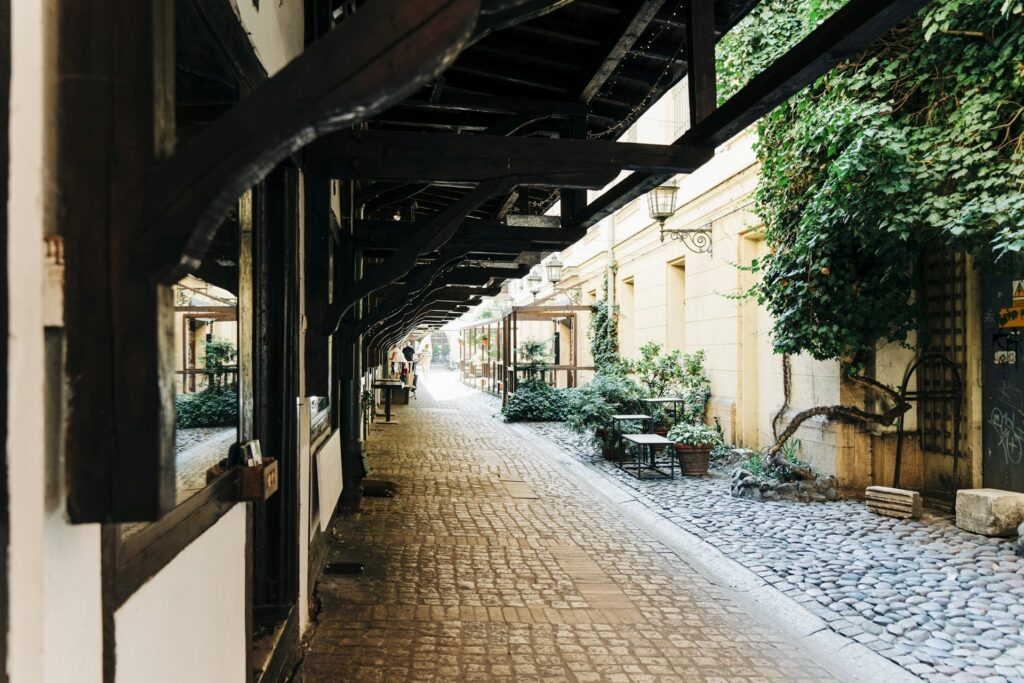
Give yourself a simple rule on the first night: look at the obvious street, then walk two or three blocks away from it, or one street back from the water, before you sit down. You are not hunting for a secret. You are leaving the block that exists primarily for people who are passing through.
If you are settling in for a weekend, the same rule helps you choose a neighborhood for breakfast and lunch as well. A bakery or lunch counter a short walk from your lodging will teach you more about a place than a single “best dinner” reservation. That is especially true on a short trip; see our guide to planning a weekend getaway that actually feels like a break.
How to read a menu (and a room) when you do not speak the language
You can learn a lot before you order.
- A short menu that changes is often a better sign than a long laminated list covering every cuisine you can name. A kitchen that cooks many kinds of food for every possible visitor is spreading itself thin.
- Photos of every plate, and flags for every language, are not automatically a veto, but they are a clue that the room is aimed at people who will not be back tomorrow.
- Prices that are wildly out of line with nearby, quieter places on a side street are worth noticing. You do not need a city’s average price—just a quick comparison on the same block and the next one.
- The room itself: a mix of ages, someone who looks like they stopped in after work, a table that is not performing for photos. Empty tourist streets at local dinner time, with staff standing in the doorway, tell you something too.
If you can, learn a handful of words for the staple dishes and cooking methods of the place—grilled, stewed, raw, spicy—so you are not choosing only from the English column, which is sometimes a shorter or blander version of the real menu. A translation app is useful for ingredients if you have an allergy; it is less useful if you let it talk you into something you do not actually want.
Eat when the city eats
Lunch and dinner hours vary more than first-time visitors expect. In some cities, a kitchen that looks sleepy at 6:00 p.m. is simply not open for dinner yet. In others, the lunch rush is the main event, and arriving at 2:30 means a closed door or a tired tray.
Watch the street for a day. When offices let out, when families sit down, when the bakery sells out of the good bread—those are better cues than a generic “dinner at 7.” If you want a popular place without a reservation, arriving at the beginning of local service is easier than arriving at the peak.
Lunch is often the most practical meal for travelers. Many cities do their best everyday cooking at midday, in a shorter, less expensive format than dinner. A serious lunch and a simpler evening meal is a perfectly good rhythm, and it leaves the night free to walk.
Markets, counters, bakeries, and other low-risk first meals
If you land hungry and overwhelmed, skip the quest for the perfect restaurant. Go where the city already shops for itself.
- A covered market or open-air market around a mealtime is one of the fastest ways to see what people actually buy: fruit, bread, a cooked stall, a cheese or olive counter. Go for a snack or a small plate, not a mission to eat everything.
- Bakeries and coffee counters are a gentle first breakfast. Look for a line of people on their way to work, not only a display aimed at sitting with a laptop.
- Lunch canteens, department-store food halls, and noodle or rice counters (where they are part of local life) let you point, pay, and eat without a long performance.
- A grocery store will teach you prices and staples in ten minutes, and it gives you fruit, yogurt, or a picnic for a train day.
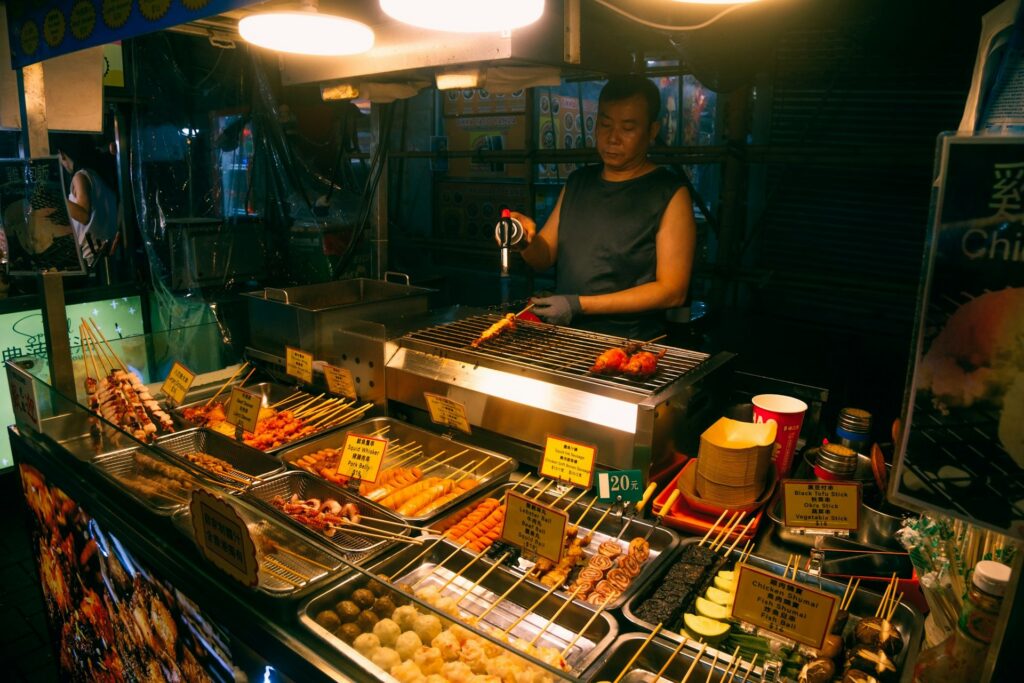
Street stalls reward a short version of the same judgment you use on a restaurant: a stall with a line of locals, food cooked in front of you, and a rapid turnover of food is usually a better bet than a lonely display that has been sitting out. If your stomach is sensitive, start with cooked food that is coming off the heat, and be more cautious with raw items until you know how you feel.
Ask better questions
Hotel desks, rideshare drivers, and people in shops get asked “Where is the best restaurant?” all day. That question often produces a famous name or the place that treats guests well, which may or may not be what you want.
Try questions that are easier to answer honestly:
- “Where would you go for lunch on a Tuesday?”
- “Is there a bakery or noodle shop you like on this street?”
- “What is a typical breakfast here?”
- “Is there a dish I should try in this neighborhood, not just in this city?”
Then use your own eyes. A friendly recommendation is a lead, not an assignment. If the suggested place has a line of visitors with rolling suitcases and an identical menu in six languages, walk the extra block and compare.
A first-night method you can repeat
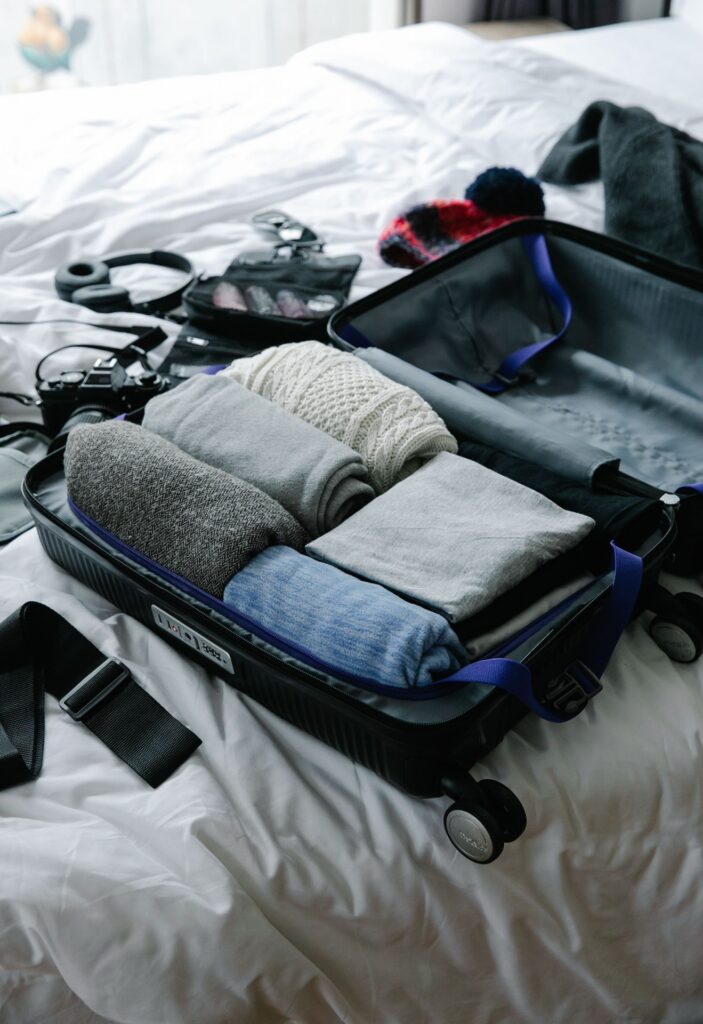
- Drop your bag, drink some water, and do not make a reservation in a panic unless you already have a place you trust.
- Walk toward a residential or mixed street, not only toward the landmark you already photographed.
- Give yourself 20–30 minutes to loop a few blocks and read two or three menus.
- Choose a place that is open for the local mealtime, has a short menu you understand well enough, and has a room you would be willing to sit in even if the food were only fine.
- Order something ordinary for that place—the dish that appears on nearby menus, or what the next table is eating—rather than the most elaborate plate on the tourist column.
If you get it wrong, you have lost a meal, not the trip. Eat something simple later. Tomorrow, go to a market or a bakery and start again with more information.
This method travels well on a longer itinerary too. On a first trip that moves between cities, a good lunch near the station or a dinner in the lodging neighborhood will do more for you than a cross-town reservation you have to sprint to after a late train. That kind of pacing is part of planning a first trip to Europe without over-scheduling, and it applies in other regions as well.
A few cautions, without the fear
- If you have allergies or dietary rules, learn the key words and carry a short translation card. Do not rely only on a server’s guess in a busy room.
- Tap water is fine in some cities and not recommended in others; follow current local guidance, and use sealed bottles or a method you trust when you are unsure.
- A busy kitchen is a good sign; food sitting in the sun is not. Use common sense rather than a rigid set of cuisine-based rules.
- Tipping customs differ. A quick look at a current local reference, or a quiet look at how the bill is presented, is better than defaulting to home habits or to zero without checking.
FAQ
Are food apps and review sites useful?
They can help you make a short list, especially for hours and location. They are weaker as a final authority, because popular places attract more reviews, and because a high score can describe a place that is good at handling visitors. Use them to find a block to walk, then decide in person.
What if I arrive after kitchens have closed?
Look for a bakery, a convenience store, a market stall that is still open, or a simple noodle or sandwich counter. A modest meal is better than a desperate one in the only restaurant still trying to flag you down.
Is the expensive restaurant in the guidebook a trap?
Not necessarily. Some well-known places are famous because they are good. Book them when you care about that particular meal, and do not let them crowd out the everyday places that will actually show you how the city eats.
How do I eat well without spending the whole day on reservations?
Make at most one reservation you truly care about. Let lunch, breakfast, and the other dinners be walk-in meals using the method above. You will eat more like a person who lives there, and you will have time left to see the city.